Ukraine Travel Insurance for UK Citizens Get Protected and Stay Confident
For UK citizens visiting or living in Ukraine, securing specialist travel or health insurance is not just wise—it is essential due to the region’s unique risks and ongoing instability. Standard policies often exclude war zones, so you need tailored cover that protects against conflict-related incidents, medical emergencies, and evacuation. Don’t travel unprotected; choose a robust plan that genuinely works for Ukraine’s challenging environment.
Navigating Cover Options for British Nationals in Ukraine
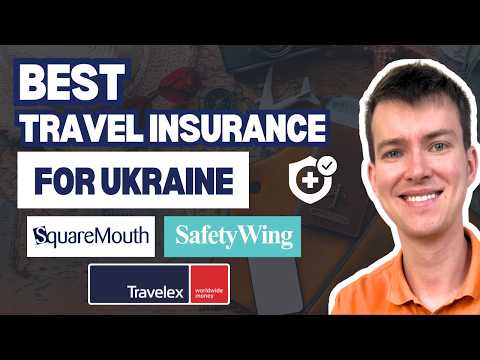
For British nationals currently in or traveling to Ukraine, navigating cover options requires immediate, decisive action. Your primary recourse is to secure a comprehensive private travel insurance policy that explicitly covers high-risk destinations and war-related incidents, as standard policies universally exclude Ukraine. The UK Foreign, Commonwealth & Development Office (FCDO) advises against all travel to the country, which voids most conventional insurance. However, specialized providers like Battleface, Good Travel Insurance, or SafetyWing offer plans tailored for war zones, including medical evacuation and security-related cancellations. Specialist war zone insurance is your only viable path to robust financial protection, covering hospitalization, emergency repatriation, and legal assistance. Additionally, enroll in the British Embassy’s registration service to receive critical alerts. Do not rely on generic plans; verify policy exclusions explicitly before departure. To maintain coverage, ensure your chosen insurer is fully notified of your itinerary and renews seamlessly. Prepare for higher premiums, but accept this cost as non-negotiable for operational safety and peace of mind in a volatile environment.
Understanding Why Standard Travel Policies Often Exclude Active War Zones
For British nationals in Ukraine, navigating cover options requires understanding specific limitations and available pathways. Travel insurance policies typically void coverage due to the FCDO advisory against all travel, making medical evacuation protection critical. British nationals should seek specialist insurers offering geopolitical risk cover, often including security assistance and emergency extraction. Evacuation insurance for British nationals in Ukraine remains a niche but essential product for those remaining in-country.
Key cover considerations include:
- Medical cover: Ensure policies include war-zone medical treatment and repatriation.
- Security cover: Look for 24/7 response teams and safe route planning.
- Vehicle cover: Verify if travel by personal car or rental is excluded from standard policies.
Registering with the British Embassy in Kyiv provides consular support but not financial cover. Always confirm policy exclusions in writing and review terms for voluntary vs. essential travel distinctions before departure from the UK.
Key Differences Between General Travel Insurance and War Risk Coverage
For British nationals in Ukraine, navigating insurance cover options demands immediate attention to conflict-specific clauses, as standard travel policies are void due to FCDO advisories. Secure a specialist high-risk policy that explicitly covers war zones, including medical evacuation and personal liability, ensuring compliance with Ukrainian visa requirements. Verify that the insurer provides direct payment to local hospitals, avoiding upfront costs that can exceed thousands of pounds for trauma care. Without this robust cover, a single injury or security incident could result in catastrophic, uninsured expenses.
Essential Requirements Before You Travel to Ukraine
Before traveling to Ukraine, ensure your passport is valid for at least three months beyond your intended departure date and that you have obtained the appropriate visa, if required based on your nationality. Travel insurance covering medical evacuation and war-related risks is highly recommended due to the active conflict. Register your trip with your home country’s embassy. Check the latest official travel advisories for safety zones and entry restrictions, as checkpoints and curfews are enforced. Carry digital and physical copies of all documents. Currency exchange should be done at official banks or licensed kiosks, as the national currency is the Ukrainian hryvnia. For transportation within Ukraine, confirm that rail or bus routes are operating and avoid areas near active combat zones.
Q&A
Q: Is travel insurance mandatory for Ukraine?
A: It is not legally mandatory, but it is strongly advised due to the ongoing security situation and potential medical or evacuation costs.
Checking Your UK Passport Validity and Visa Stipulations
Essential travel documentation for Ukraine must be secured well in advance. Ensure your passport is valid for at least six months beyond your departure date and obtain a visa if required—most Western nationals enjoy 90-day visa-free stays for tourism. Carry a printed copy of your travel insurance, which must cover medical evacuation and COVID-19-related cancellations. Register your stay with local authorities if exceeding 30 days. Without proper documentation, you risk immediate denial of entry.
Health and safety precautions for Ukraine travel are non-negotiable. Current regulations require proof of full vaccination with WHO-approved vaccines or a negative PCR test taken within 72 hours. Purchase comprehensive medical insurance that includes coverage for war-related incidents. Keep digital and physical copies of your vaccination certificate. Avoid non-essential travel to high-risk eastern regions. Check the UK Foreign Office and US State Department advisories daily before departure.
- Currency: Carry Ukrainian hryvnia (UAH) in cash; cards work only in cities.
- Transport: Book trains via Ukrzaliznytsia; avoid driving at night.
- Connectivity: Unlock your phone and buy a local SIM for emergency access.
Mandatory Health and Evacuation Cover for Foreign Residents
Before traveling to Ukraine, confirm your passport is valid for at least three months beyond your planned departure date and ensure you have adequate travel insurance covering medical emergencies and evacuation. Check visa-exemption rules and entry conditions via the Ukrainian Ministry of Foreign Affairs. Carry digital and printed copies of your itinerary, accommodation booking, and proof of sufficient funds; border officials may demand these documents at checkpoints. Register temporarily with your country’s embassy upon arrival for safety updates. Monitor security alerts from official sources—avoid non-essential travel to active conflict zones near eastern and southern regions. Stay informed about airspace restrictions and land border opening hours, and always keep emergency contact numbers handy.
Documentation Proof Needed for Border Crossing and Local Authorities
Before you travel to Ukraine, ensure your passport is valid for at least three months beyond your planned departure date. The country currently has no visa-free extensions for most nationalities, so confirm your entry requirements with the Ukrainian embassy. Due to the ongoing war, mandatory travel insurance covering medical evacuation and war-related risks is non-negotiable. Prepare for an active war zone by registering with your embassy upon arrival and downloading offline maps—mobile networks can be unpredictable. Cash in Ukrainian hryvnia is essential, as card payments are limited in rural or frontline areas. Carry printed copies of your accommodation booking, travel insurance, and emergency contact numbers. These steps will keep you mobile and safe.
Specialist Providers Offering Protection for the Region
For businesses operating in high-risk zones, engaging with specialist providers offering protection for the region is a strategic imperative. These firms deliver tailored security solutions, conducting deep threat assessments to mitigate risks from political instability or organized crime. By integrating regional security intelligence with on-the-ground personnel, they ensure proactive defense of assets and personnel. Selecting a provider with proven local expertise and a network of vetted subcontractors is critical, as generic approaches often fail. Experts recommend prioritizing providers who offer transparent reporting protocols and adaptive response frameworks, establishing comprehensive protection strategies that align with your operational footprint and legal obligations. This layered approach transforms security from a cost center into a critical enabler of sustainable growth in volatile environments.
Comparing UK-Based Insurers That Underwrite Conflict Area Policies
Specialist providers offer comprehensive regional security solutions by deploying advanced surveillance networks and rapid-response teams. These firms analyze local threat landscapes, from cyber intrusions to border breaches, then tailor layered defenses using drones, biometric access, and encrypted communication channels. By partnering with local authorities, they ensure seamless coordination during emergencies, minimizing downtime for businesses and critical infrastructure. Their expertise in risk assessment transforms vulnerable zones into fortified hubs, attracting investment and stabilizing communities. In volatile regions, this proactive shield doesn’t just react—it deters, giving residents and enterprises the confidence to operate without constant disruption.
How War Exclusion Clauses Are Waived or Modified for Ukraine
Across the arid expanse, the region’s security rests on a network of specialist providers who deliver tailored protection. These firms, forged in local knowledge, deploy advanced surveillance and rapid-response teams to shield critical infrastructure from evolving threats. Regional security solutions are their craft, blending technology with on-ground expertise to outmaneuver risks before they escalate. Whether guarding energy pipelines or advising government outposts, they operate discreetly, their presence a quiet deterrent. Each assignment becomes a story of vigilance—a desert outpost secured against ambush, a border zone stabilized through persistent drone patrols. Their work ensures that commerce and community thrive under a shield of calculated strength, unbroken by the region’s volatility.
Emergency Assistance Networks Available On the Ground
Specialist providers offering protection for the region deploy layered defense systems tailored to local threats, from border surveillance drones to rapid-response cybersecurity teams. These vetted firms integrate physical patrols, AI-driven threat analysis, and secure communication networks to neutralize risks before they escalate. Services commonly include access control, perimeter hardening, and incident response drills. No region is too complex for a calibrated security framework. By partnering with established specialists, communities gain proactive deterrence rather than reactive fixes. This approach ensures business continuity and public safety, even in high-risk zones, without overextending local resources.
Medical Coverage and Evacuation Logistics
Effective medical coverage and evacuation logistics hinge on a robust emergency response framework. In remote or hostile environments, pre-positioned medical supplies, telemedicine capabilities, and contractual agreements with local air ambulance services are non-negotiable. Evacuation plans must specify multiple transport modalities—from ground ambulances for minor cases to fixed-wing aircraft for trauma patients requiring critical care. Real-time tracking of patient status, weather conditions, and landing zone viability ensures rapid decision-making. Regular drills with local medical networks validate communication protocols and reduce response times. Without integrated command centers and redundant power sources for life-support equipment, delays in evacuation can lead to preventable morbidity. Ultimately, expert logistics prioritize four-hour window to definitive care, leveraging both helicopter extraction and commercial-medevac partnerships to mitigate risk.
Securing Treatment in Private vs Public Ukrainian Hospitals
Medical coverage and evacuation logistics are the backbone of any safe remote expedition or overseas assignment. Before you head out, secure a policy that covers emergency transport, hospital stays, and repatriation of remains. International medical evacuation insurance is non-negotiable for high-risk travel. The logistics involve coordinating ground ambulances, airlifts, and receiving hospitals—often across multiple borders. This means having 24/7 contact numbers and pre-arranged evacuation plans, especially in areas with poor infrastructure. Even a minor injury can become life-threatening without a rapid exit strategy. A good provider handles everything from medevac jets to on-the-ground translators, ensuring you get care fast when the unexpected happens.
Air Ambulance Services and Medevac Routes From Kyiv or Lviv
When the cargo plane’s ramp door sealed shut over a dusty airstrip in South Sudan, the medic knew the real race had begun. Medical coverage in remote zones hinges on pre-placed kits for trauma, infection, and chronic conditions, but evacuation logistics are the lifeline. Emergency medical evacuation services must coordinate ground ambulances, tactical aircraft, and landing clearances—often across hostile borders—within minutes.
Distance kills faster than disease; a fixed-wing medevac can turn a 48-hour nightmare into a four-hour corridor of hope.
In the Gulf, a rig worker’s heart attack triggered a chain: helicopter to shore, then a private air ambulance to Dubai. Each link required fuel contracts, diplomatic waivers, and a doctor onboard. This is the invisible choreography that keeps the injured alive until the next dawn.
Coverage Caps and Pre-Existing Condition Restrictions in Hostile Zones
When the Zodiac sliced through the swell toward the rusted container ship, our medic’s hand never left the trauma kit. Medical coverage in remote maritime operations isn’t a safety net—it’s a fragile thread. We had to pre-position surgical supplies on a support vessel 12 hours away, coordinating with a helicopter pad that existed only on a charter company’s spreadsheet. Evacuation logistics meant mapping three alternate routes: a medevac by coast guard cutter, a risky fixed-wing landing on a short airstrip, or a 48-hour surface tow to a port with a functional hospital. Every minute of planning shaved time off the golden hour. That night, when the engine room fire sent a crewman into respiratory failure, our predetermined evacuation plan wasn’t a document—it was the difference between a radio call for help and a silent, prepared extraction.
Protecting Valuables and Personal Belongings
Safeguarding your valuables and personal belongings requires a proactive approach to risk management. Begin by conducting a thorough inventory of your most important items, documenting serial numbers and photographing high-value possessions for insurance purposes. Home security systems with visible cameras and motion sensors serve as a critical deterrent against theft. For portable items like laptops or jewelry, anchor them in a secured, weight-rated safe that is bolted to the floor or wall. When traveling, never leave bags unattended and use hotel safes for passports and excess cash. Digitally, back up sensitive documents to encrypted cloud storage and password-protect your devices. Routine audits of your surroundings—checking locked windows, verifying alarm functionality, and confirming adequate insurance coverage—are essential habits that collectively minimize theft risk and ensure peace of mind.
Cover Limits for Electronics, Documents, and Cash in a Conflict Setting
Protect your valuables by integrating layered security into your daily routine. Always maintain situational awareness in public spaces, as opportunistic theft often targets distracted individuals. Keep wallets and phones in front pockets or zipped interior compartments, never in back pockets or open bags. For travel, use a money belt or RFID-blocking pouch for passports and credit cards. At home, store high-value items like jewelry and important documents in a fireproof safe bolted to the floor or wall. Consider a digital inventory with photographs and serial numbers for insurance claims. Key habits include locking doors and windows consistently, using deadbolts, and never leaving bags unattended in cars or public venues.
Policy Terms for Lost or Stolen Items Due to Civil Unrest
Securing valuables and personal belongings requires a proactive approach to minimize the risk of theft or loss. A reliable strategy involves using a home safe for important documents, jewelry, and cash, while also maintaining a detailed home inventory for insurance purposes. When traveling, utilize hotel room safes and keep bags zipped and within sight in crowded areas. Protecting personal belongings through situational awareness is crucial; avoid displaying expensive items like smartphones or wallets in public. Key preventative measures include:
- Locking doors and windows at home and in vehicles.
- Using anti-theft bags or wallets with RFID blocking.
- Photographing and cataloging serial numbers of electronics.
Safe Storage Recommendations for Important Papers While Abroad
To safeguard your valuables and personal belongings, prioritize secure home storage and travel safety. Install a high-quality safe bolted to the floor for documents, jewelry, and cash, and always use hotel room safes when traveling. For digital items, encrypt sensitive files and enable remote-wipe features on devices. Key practices include: never leaving bags unattended in public, using tamper-proof locks on luggage, and photographing serial numbers for insurance claims. Avoid displaying expensive items in plain sight, especially in vehicles. By combining physical security measures with vigilant habits, you significantly reduce the risk of theft or loss, whether at home, in the office, or on the go.
Vehicle Insurance for UK Drivers in the Region
Vehicle insurance for UK drivers is a non-negotiable legal requirement that provides essential financial protection. Whether you drive on busy motorways in Greater Manchester or quiet country lanes in the Scottish Highlands, a comprehensive policy safeguards you against accident costs, theft, and third-party claims. To secure the most competitive premiums, drivers in any region must compare policies annually, as loyalty rarely rewards. Opting for a telematics “black box” policy can dramatically reduce costs for younger or high-risk drivers. With the rising threat of uninsured drivers and escalating repair bills, skimping on coverage is a false economy. Choose a policy tailored to your region’s specific risks—such as flood-prone areas or urban theft hotspots—to ensure you are not left financially vulnerable. Compare cheap car insurance quotes that cover legal expenses and courtesy cars. Drive with confidence knowing your UK car insurance policy truly protects you and your vehicle.
Green Card Validity and Cross-Border Car Insurance Between EU and Ukraine
For UK drivers, selecting the right vehicle insurance for UK drivers involves choosing between comprehensive, third-party, fire and theft, or third-party-only cover. Most motorists opt for fully comprehensive policies, which protect against damage to their own car and liability to others. Premiums are heavily influenced by the driver’s age, postcode area, claim history, and vehicle group rating. Insurers also require a valid UK driving licence and often check the DVLA records. Key policy features include a no-claims discount, mandatory excess amount, and coverage for legal expenses or courtesy cars. Many providers now offer telematics-based “black box” policies for younger drivers to lower costs.
Third-Party Liability vs Comprehensive Cover for Wartime Driving
Vehicle insurance for UK drivers isn’t just a legal requirement—it’s your financial safety net on the road. Whether you’re commuting through city traffic or cruising country lanes, you need cover that fits your lifestyle. Comprehensive car insurance protects against theft, vandalism, and accidental damage, while third-party policies are the minimum legal option. Most providers also offer extras like breakdown cover, personal injury protection, and windscreen repair. Factors like your age, driving history, and where you park can affect premiums, so always compare quotes annually. To keep costs down, consider a telematics black box policy or increase your voluntary excess. Never drive without cover—penalties include fines, penalty points, and even disqualification. Stay insured, stay safe.
Alternatives Like Local Insurers for Temporary Vehicle Use

Vehicle insurance is a legal must for UK drivers, but finding the right cover for your specific region can save you a ton of hassle and cash. Comprehensive car insurance options vary depending on where you live, with urban postcodes often facing higher premiums due to increased traffic and theft risks. To keep costs down, consider:
- Comparing quotes from multiple providers tailored to your local area.
- Asking about black box telematics if you’re a younger driver or drive low mileage.
- Paying annually rather than monthly to avoid interest charges.
Regional factors like rural road conditions or city congestion zones also affect your policy, so always update your insurer if you move. A quick annual check can lock in better rates and ensure you’re not overpaying for cover you don’t need.
Financial Protection and Trip Cancellation Risks
The morning of our long-planned Alaskan cruise, a frantic call came from the hospital—my father had been rushed in for emergency surgery. The joy of the packed suitcases evaporated into a fog of worry. In that gut-wrenching moment, the financial protection we had arranged was no longer a boring policy detail; it was our lifeline. The non-refundable cost of flights, excursions, and the cabin itself—thousands of dollars we had saved for years—was suddenly at risk. The sinking feeling of a lost deposit is one many travelers know. However, because we had secured comprehensive coverage against trip cancellation risks like medical emergencies, that potential loss transformed into a refund. What could have been a devastating financial blow became a manageable pause, allowing us to focus on my father’s recovery without the bitter taste of wasted money.

Coverage When Flights Are Cancelled by Airlines or Governments
Financial protection is non-negotiable for any traveler, as trip cancellation risks can devastate your budget without warning. Comprehensive travel insurance safeguards your investment against unforeseen emergencies like illness, severe weather, or family emergencies. Without this safety net, you risk losing thousands in non-refundable flights, accommodations, and tours. A single canceled trip can cascade into lost deposits, rebooking fees, and missed work income. Smart travelers prioritize coverage that includes cancellation benefits, ensuring their hard-earned money stays protected when life disrupts plans. Don’t gamble with your finances—secure your trip today.
Repatriation Costs if Wartime Conditions Force Early Return
Unexpected events like illness or severe weather can derail even the best-planned getaway, making trip cancellation coverage your financial safety net. Without it, you risk losing hundreds or thousands in non-refundable flights, hotels, and tour deposits. Cancel for any reason upgrades offer even more flexibility, reimbursing up to 75% of costs. Smart travelers prioritize this protection to enjoy their journey worry-free.
Claiming for Unused Accommodations or Prepaid Services
When Sarah booked her long-awaited Greek island escape, she never imagined a sudden family emergency would ground her plans. That’s when she understood the true value of comprehensive trip cancellation insurance. Without it, the non-refundable flights and boutique hotel deposits—hundreds of dollars—would have vanished overnight. Financial protection isn’t just a policy; it’s a safety net that catches you when life throws a curveball. Whether due to illness, severe weather, or unexpected job loss, cancellation risks can derail any traveler. A solid plan typically covers these key scenarios:
- Medical emergencies or injury
- Natural disasters or carrier cancellations
- Travel supplier bankruptcy
By investing upfront, Sarah saved herself from a financial crash landing. Remember: a few extra dollars today can protect your entire vacation investment tomorrow.
Legal and Liability Assistance for UK Citizens
When Sarah found herself entangled in a contract dispute after a business deal soured, she felt utterly lost amidst the legal jargon. Fortunately, UK citizens have robust access to legal and liability assistance designed to navigate such stormy seas. From the free initial advice offered by Citizens Advice to the specialized clinics in law schools, a safety net exists for those who know where to look. Sarah discovered that legal aid, while means-tested, could cover her specific case of professional negligence, and that many solicitors offer a no-win, no-fee arrangement to mitigate her financial risk. For liability issues, from car accidents to property damage, comprehensive insurance policies often include legal helplines. This intricate web of support, from government schemes to private protection, empowers ordinary Britons to face daunting claims with a steady hand, turning potential ruin into a manageable challenge.
Accessing Legal Aid or Representation Under British Embassy Programs
UK citizens abroad can access legal and liability assistance through various channels, with travel insurance being the primary first line of defense. Policies typically cover legal costs for incidents like accidental property damage or personal injury claims, but pre-existing conditions and high-risk activities often require specific declarations. Comprehensive travel cover is essential for legal protection overseas. For serious matters, such as arrest or detention, the Foreign, Commonwealth & Development Office provides consular support, including a list of local English-speaking lawyers and guidance on the local justice system. However, the FCDO cannot interfere in legal proceedings. Independent legal expense insurance can supplement standard travel policies. Always review policy exclusions for activities like driving, which may lack third-party liability cover outside the UK.
Personal Liability Cover for Accidental Damage or Injury
UK citizens facing legal issues abroad or at home can access robust liability protection through schemes like the Foreign, Commonwealth & Development Office (FCDO) consular assistance, which provides emergency support but not financial compensation. For direct legal recourse, private legal expenses insurance or membership organizations like the AA or RAC offer crucial coverage for motoring disputes. Navigating cross-border liability claims is simplified by services such as the European Accident Statement or local solicitors specializing in UK law. Additionally, the Community Legal Service helps those with low income access funded advice. Always verify your policy’s territorial limits before travel to avoid gaps in protection. A proactive approach ensures you are never left exposed to crippling legal costs.
Handling Disputes With Local Landlords or Employers
UK citizens abroad face unique legal challenges, from arrest and detention to property disputes or contract issues. Access to reliable legal and liability assistance is essential. The Foreign, Commonwealth & Development Office (FCDO) provides guidance, including a list of local English-speaking lawyers and consular support for serious cases. For comprehensive cover, many travellers and expats obtain specialist travel insurance that includes legal liability protection, often with 24-hour helplines. Without such coverage, individuals may face significant out-of-pocket costs for bail, court fees, or damages. Home and contents policies may also offer limited personal liability cover abroad, but gaps frequently exist, making it vital to check policy terms before departure.
Practical Tips for Buying and Extending Your Policy
When my grandmother’s health declined, I learned the hard way that buying insurance isn’t just about signing forms—it’s about future-proofing your family. Start by comparing three policies side-by-side, focusing on claim settlement ratios and hidden exclusions. During renewal season, instead of auto-renewing, call your provider and ask about rider options for critical illness or accidental coverage. I once extended my policy by shifting to a cashless network hospital, which added five years of coverage without hiking premiums. Remember, insurers love loyalty, so a few negotiation calls can unlock discounts for no-claim bonuses or bundled plans. A small update today can save your loved ones from scrambling tomorrow. Extend smartly, not blindly.
Reading Fine Print on Exclusions for Missile Strikes or Shelling
When buying a policy, first compare deductibles and coverage limits across at least three providers to avoid overpaying. Policy review checkpoints ensure you don’t miss critical details like exclusion clauses. For extensions, contact your insurer before your current term ends to lock in lower rates. Always read the fine print on renewal terms to spot hidden fee increases. Use these dynamic steps:
- Bundle home and auto policies for multi-line discounts.
- Increase your deductible slightly to slash monthly premiums.
- Request annual policy audits to adjust coverage as your assets grow.
How to Extend Cover Mid-Trip Without Lapse
When purchasing a policy, first assess your actual coverage needs by comparing deductibles, limits, and exclusions across providers. To extend an existing policy, contact your insurer before the renewal date to negotiate add-ons like inflation protection or increased liability. Policy riders can be cost-effective for targeted coverage. Always review the fine print for lapse penalties or waiting periods.
Extending coverage early prevents gaps that could void claims.
Consider bundling multiple policies for discounts and requesting a coverage audit annually.
Recommended Sources for Up-to-Date Safety Alerts and Policy Changes
When buying insurance, shop around for tailored coverage by comparing quotes from multiple providers to avoid overpaying for unnecessary add-ons. Once you have a policy, review it annually—life changes like a new home or child often require updating your limits. Need more protection? Extending your policy is simple: contact your agent to add riders (e.g., for valuables) or increase liability caps. Before extending, check for discounts like bundling home and auto. Also, always read the fine print on exclusions to ensure your extended coverage fills real gaps. A quick audit saves you from costly surprises later.
Emergency Contacts and Next Steps After a Claim
Upon filing a claim, your immediate priority is to document all emergency contacts, including your insurance adjuster’s direct line and any 24-hour roadside assistance numbers. Secure the damaged property and gather photographic evidence before making temporary repairs. Do not discard any items until an adjuster has inspected them. Your duty to mitigate further damage is a core policy requirement. For the next steps after a claim, keep a detailed log of all communications and follow up within 48 hours to confirm your claim number. Review your settlement offer carefully, and consult an independent contractor or public adjuster before accepting a final payout from the insurer.
Direct Lines to British Embassy Support in Ukraine
After filing a claim, your priority is securing essential emergency contacts. Immediately notify your insurance provider’s 24/7 claims hotline to report the incident and receive a claim number. For immediate physical safety, contact local emergency services (police, fire, medical) at 911. Your https://insurance-ukraine.com/united-kingdom/ next steps should be preserving evidence—take photos of damage, gather witness details, and avoid making permanent repairs before an adjuster assesses the scene. Document all communications and keep receipts for temporary lodging or emergency supplies. Claim management best practices include creating a dedicated file for all correspondence and timelines, which accelerates resolution and prevents costly delays.
Filing a Claim Remotely From a Safe Location
After filing a claim, immediately review your emergency contacts list, which should include your insurance agent, claims adjuster, and 24/7 customer service line. The next steps after a claim typically involve securing your property to prevent further damage, such as boarding up windows or covering a leaking roof. You will then receive a claim number and an adjuster’s contact details. They will schedule an inspection and guide you on documentation requirements, including photos and receipts. You may also need to arrange for temporary repairs or living expenses if displacement occurs.
- Document all damages with photos and videos before cleanup.
- Keep receipts for any emergency repairs or temporary housing.
- Notify your insurer immediately if new damage is discovered later.
Q: How soon should I contact my insurance after an emergency?
A: Contact your insurer or agent as soon as it is safe to do so—ideally within 24 hours—to initiate the claim and avoid policy lapses or delayed processing.
Understanding Claim Processing Times for High-Risk Incidents
After filing an insurance claim, immediately save your claim number and adjuster’s contact information, as this is your primary reference for all future communications. Keep a dedicated emergency contacts list, including your agent, the insurer’s 24/7 hotline, and a trusted contractor for urgent repairs. Securing property and documenting damage should be your top priority to prevent further loss and support your claim. Take clear photos and videos before any temporary repairs begin.
| Step | Action | Timeline |
|---|---|---|
| 1 | Contact insurer to report loss | Immediately |
| 2 | Mitigate further damage (e.g., tarp roof) | Within 24 hours |
| 3 | Review policy for deductible & coverage limits | Before repair quotes |
Q: Should I wait for the adjuster before making emergency repairs?
A: No—only wait if safe. Make temporary fixes to stop water or break-ins, but keep receipts. Permanent work requires adjuster approval to avoid coverage disputes.