Exploring the evolution of gambling throughout history
Origins of Gambling: Ancient Civilizations
The history of gambling can be traced back to ancient civilizations, where games of chance were part of cultural and religious practices. The earliest known evidence of gambling dates back to 3000 BC in China, where tiles were found that suggested a rudimentary game of chance. Similarly, in ancient Mesopotamia, the use of dice made from animal bones indicates that gambling was prevalent as a form of entertainment and social engagement. These early instances highlight the human fascination with luck and risk, which continues to influence gambling today. Meanwhile, Legit99 offers a modern take on this ancient practice, providing users with a host of engaging options in today’s online gaming world.
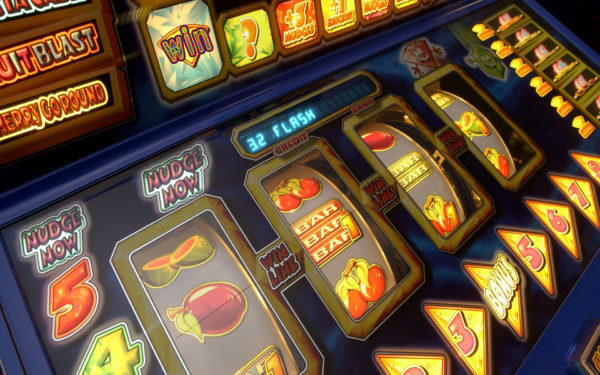
In ancient Rome, gambling was not only a popular pastime among citizens but also integrated into various social and political events. The Romans developed various games and betting practices, including chariot races and gladiatorial contests, where spectators placed wagers on outcomes. This period saw the evolution of gambling into an organized activity, complete with rules and regulations. These early forms laid the groundwork for modern betting systems and the way gambling has permeated societies throughout history.
As these ancient cultures spread and interacted, the concept of gambling evolved, incorporating diverse methods and games. The introduction of cards, believed to have originated in China around the 9th century, further advanced gambling practices. With the rise of trade routes, these card games spread to India, Persia, and eventually to Europe. Each region added its unique spin, leading to the rich tapestry of gambling games we recognize today.
The Middle Ages to the Renaissance: Formalization and Regulation
The Middle Ages brought a transformation in gambling practices, as various societies began to formalize and regulate games of chance. This era saw the emergence of gambling houses, especially in Italy and France, where individuals could place bets on games such as dice, cards, and even sporting events. The establishment of rules and licensing transformed gambling from a mere pastime into a regulated industry, reflecting its growing popularity among the masses. This period was crucial for laying down the legal frameworks that would govern gambling in the centuries to come.
During the Renaissance, the development of new card games like poker and baccarat marked a significant shift in gambling culture. The gambling houses continued to gain prominence, with people of all social standings participating in games of chance. However, with the rise of gambling came concerns about its impact on society. Debates around moral implications and the potential for addiction led to increased scrutiny and regulatory efforts by governments, echoing a tension that remains relevant in contemporary discussions surrounding gambling.
By the end of the Renaissance, the foundation of modern gambling was firmly established. The introduction of lotteries, particularly in Europe, allowed for larger-scale gambling opportunities, often used to fund public projects and aid the poor. This innovative approach showcased gambling’s potential as a tool for societal benefit, despite the ongoing challenges posed by gambling addiction and its social ramifications.
The 18th and 19th Centuries: Expansion and Innovation
The 18th and 19th centuries marked a significant period of expansion and innovation in the world of gambling. The rise of casinos, particularly in places like Monte Carlo and Las Vegas, transformed gambling into a glamorous and luxurious experience. These establishments offered a variety of games, attracting wealthy patrons and establishing gambling as a mainstream form of entertainment. The glamour associated with these venues contributed to a cultural shift, making gambling more socially acceptable and enticing to the general public.
Technological advancements also played a crucial role in the evolution of gambling during this time. The invention of the roulette wheel and the proliferation of slot machines revolutionized the gambling experience, introducing new levels of excitement and chance. The introduction of these games not only attracted a broader audience but also laid the groundwork for the modern casino experience. The concept of betting on outcomes became more structured, and with that came the emergence of organized gambling as a business.
However, as gambling flourished, so did the concern over its societal impact. Governments worldwide began to implement regulations aimed at curbing potential abuses and addressing addiction issues. The establishment of gambling laws and the licensing of casinos were crucial steps toward creating a safer environment for players, foreshadowing contemporary efforts to balance responsible gambling with the industry’s growth and accessibility.
The 20th Century: Legislation and Online Evolution
The 20th century was characterized by significant changes in gambling legislation across the globe. Many countries began to recognize the potential for taxation and regulation of gambling as a means to generate revenue. The repeal of Prohibition in the United States spurred a wave of interest in legalized gambling, leading to the establishment of Las Vegas as the gambling capital of the world. This shift not only reshaped public perceptions of gambling but also solidified its status as a legitimate industry.
As the century progressed, technological advancements continued to influence gambling practices. The advent of the internet in the late 20th century ushered in a new era of online gambling, transforming how people engage with games of chance. The first online casinos launched in the mid-1990s, providing players with unprecedented access to a wide range of games from the comfort of their homes. This evolution sparked a significant shift in gambling dynamics, appealing to younger generations and a global audience.
However, the rise of online gambling also brought challenges, including concerns about regulation, consumer protection, and responsible gambling practices. Governments and regulatory bodies scrambled to establish frameworks to address these issues, leading to ongoing discussions about the future of gambling in the digital age. The continued evolution of technology, coupled with changing societal attitudes, indicates that the world of gambling will keep transforming in the coming years.
Gambling Today: A Global Phenomenon
Today, gambling has become a global phenomenon, with a diverse range of options available to players around the world. From traditional casinos to online gaming platforms, the landscape of gambling has expanded significantly, catering to different preferences and cultural attitudes. The introduction of mobile gaming has further revolutionized the industry, allowing players to gamble on the go and access a multitude of games at their fingertips. This accessibility has contributed to a booming market and has established gambling as a mainstream form of entertainment.
Moreover, the integration of technology into gambling has created opportunities for innovative gaming experiences. Live dealer games, virtual reality casinos, and gamification elements are reshaping how players interact with gambling platforms. These advancements not only enhance user experience but also attract a new demographic of players who seek engaging and immersive gameplay. As a result, online gambling is experiencing rapid growth, with forecasts predicting substantial increases in revenue and market expansion.
Despite the rapid growth of the gambling industry, issues related to responsible gambling continue to be at the forefront of discussions. Governments and organizations are increasingly focused on implementing measures to promote safe gambling practices, such as self-exclusion programs, responsible advertising, and player education. This commitment to social responsibility reflects a broader understanding of the need to balance the excitement of gambling with the potential risks it poses to individuals and society at large.

Legit99: Embracing the Future of Online Gambling
Legit99 Australia stands out as a prominent player in the evolving online gambling landscape, catering specifically to Australian players. With an extensive collection of over 2,600 games, including popular slots and live dealer options, Legit99 offers a comprehensive gaming experience that meets the diverse preferences of its audience. The platform’s commitment to providing a secure environment is evident through its use of encryption technology and reliable payment methods, ensuring a safe and enjoyable gambling experience for users.
In addition to its impressive game selection, Legit99 enhances the player experience with generous promotions, including a welcome bonus of 100% up to A$500 and various ongoing offers. This approach not only attracts new players but also fosters loyalty among existing users, reflecting the competitive nature of the online gambling market. The emphasis on customer service, available 24/7, ensures that players receive the support they need, enhancing overall satisfaction.
As the world of gambling continues to evolve, platforms like Legit99 are at the forefront, adapting to changing technologies and player expectations. The focus on mobile accessibility and innovative gaming options positions Legit99 as a strong choice for online gaming enthusiasts, embodying the future of gambling in a digital age. With ongoing developments in technology and gaming, Legit99 is set to remain a significant contributor to the growth and evolution of the gambling industry.